
I’ve touched on this subject in a couple of other posts, but many people may be curious about this specific subject so I wanted to devote a quick post to it. I charge my EV at home using only the mobile charge cord (EVSE) that it came with and a regular 120v wall outlet. I installed no special charger or outlet and made no upgrades to the electrical system in my house. And after 2+ years I’ve had no issues and get enough charge for 80-90% of my driving. There are plenty of factors that will determine if the same would be true for you, but I wanted to start off by highlighting that it can be enough.
[Disclaimer] I think this is the minimum charging access you need (whether it is at home or at work) to get the full benefit of owning an EV. If, for example, you live in an apartment without dedicated access to a charger, I would be very hesitant to commit to a plug-in vehicle. Trying to rely on public fast chargers is going to get frustrating: even with a 100% success rate you are going to be sitting there for 30+ minutes at least once a week. And I rarely find public level 2 chargers to be convenient or operational; I tend to treat them as a bonus, rather than something I count on. That being said, reliable access to even one little plug could be enough for many people.
Having a home charger installed, or even a NEMA 15-40 plug, is ideal and I would encourage anyone who can to do it. I have been able to rely mainly on level 1 charging with limited inconvenience but if I could upgrade and get a full charge in 6-8 hours I absolutely would. However, I rent and have not wanted to open that can of worms with my landlord. With used EVs getting so cheap now I’m sure a lot more people in similar situations will be considering an EV and wondering if they’ll need to upgrade their place or invest in a charger.
The main things you’ll need to keep in mind if you are trying to get by with 120v charging are: 1) your daily commute; 2) your car’s efficiency; and 3) your proximity to a backup option (ideally a DCFC but potentially a high-amp level 2 charger). I did no advanced calculation and just decided to see how it went, but I commute less than 10 miles per day and have an ICE vehicle as well. If either of those is not the case for you I would recommend figuring out how many miles you can add overnight with a regular wall outlet to see if it’ll fit with your daily commute. That’s where the efficiency of the vehicle you are looking at comes into play: all EVs can accept as much amperage as a standard outlet can give, so that’s pretty finite, but that same amount of charge is going to get you a lot further in a Mini Cooper SE than a Hummer EV. Finally, if you are going to be relying on this vehicle then having a reliably fast charger within a few miles is very helpful in filling those gaps when you won’t be able to charge fast enough at home.
Diving a bit deeper, let’s look at some of the things to be cautious of. Those of us with a less-than-ideal home charging setup might be considering some dubious options so here are a couple of things I would advise against.
- It is strongly advised not to plug your EVSE into an extension cord, power strip, etc. and this is one case where I take this to heart. I can’t tell you what the risks are, but it’s not a chance I want to take, so if you don’t have parking near an outlet I would not consider an extension cord as a solution, especially if it is running over a sidewalk or any other public space.
- Be wary of the wiring in your house. If you don’t want to pony up for an electrician to check your outlets and don’t know for sure what condition your outlets/wiring is in, I would play it safe with the charging. My place is at least 30 years old and has spent an unknown portion of that as a rental property. That means no one is really checking up on it and a carousel of maintenance workers have been doing quick fixes throughout the years. Most cars give you several amperage options to select from – the lower the amps, the less you are going to stress your electrical – so I keep mine in the low or mid setting at home.
- This doesn’t mean you can’t get creative. For example, this adapter from Siemens and ConnectDER (https://connectder.com/) may be a solution to both problems. It connects to your utility meter and allows you to plug your EVSE directly into that. Then you don’t have to worry what your household outlets can handle and in some cases your meter may be more accessible from your parking spot than your house. I have no experience with this adapter but thought it was an interesting out-of-the-box alternative.
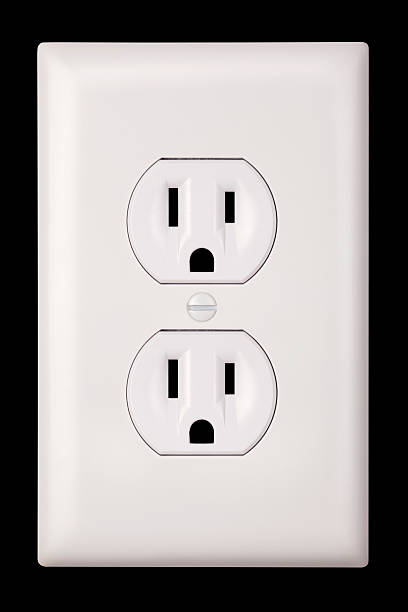
So yeah, obviously level 2 home charging is ideal, but if that’s not available to you then don’t immediately write off an EV. Depending on your situation, level 1 charging may be fine. You’ll certainly be giving up some convenience and will likely need to plan ahead a bit, but it can still be a liberating experience not having to stop to fill up your car every other week. I do about 90% of my charging at home and it adds about $10 to my monthly energy bill. So if you can’t afford a fancy home charger, do the punk rock thing and plug into one of these:
 Miniwatt Auto